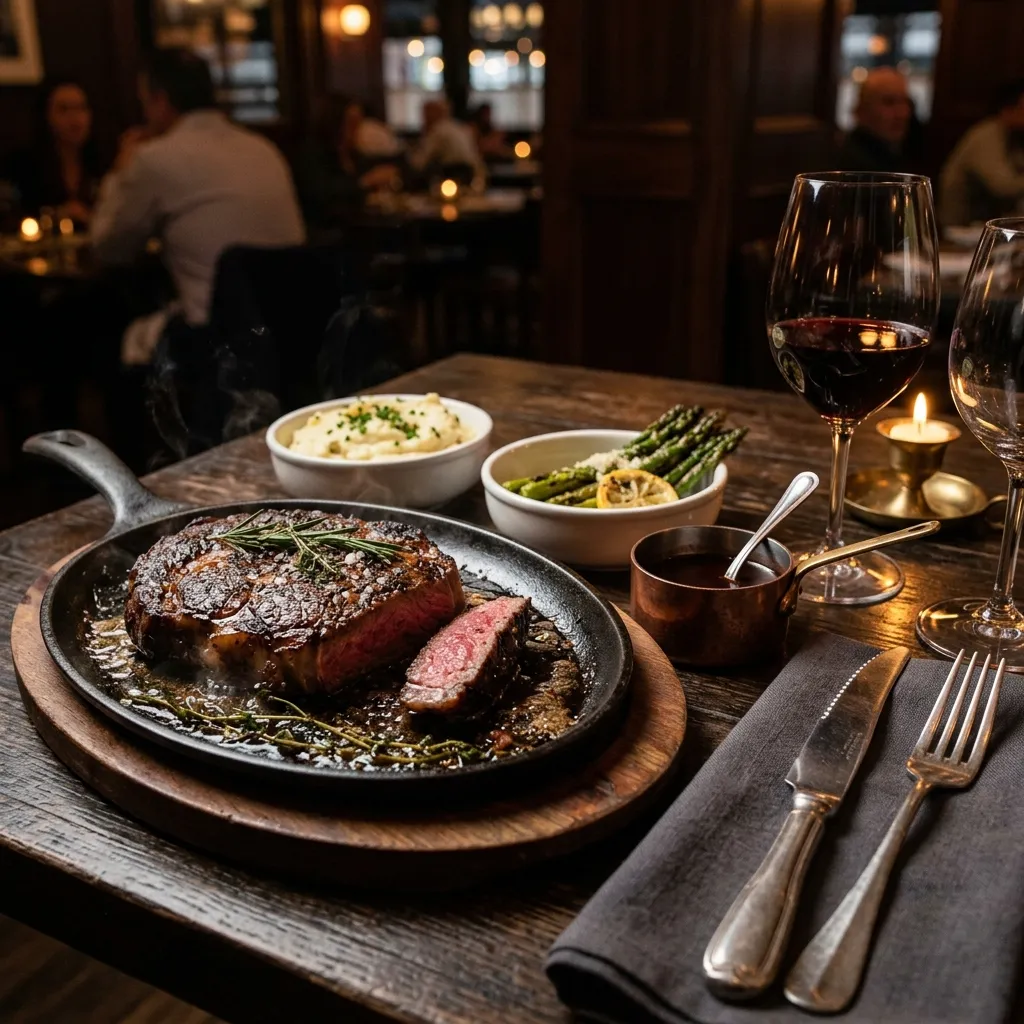
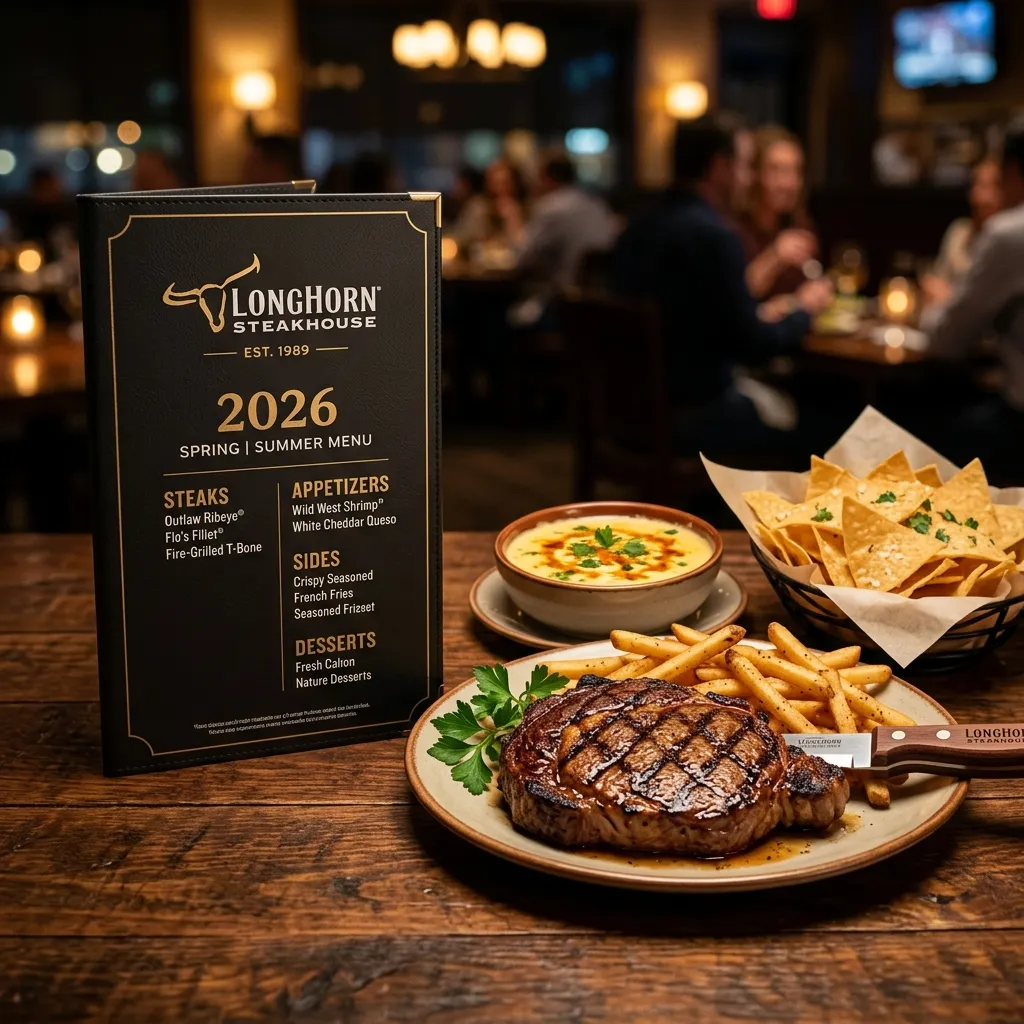
How to Cook LongHorn Steaks at Home: Flo's Filet, Outlaw Ribeye & Prairie Dust Rub
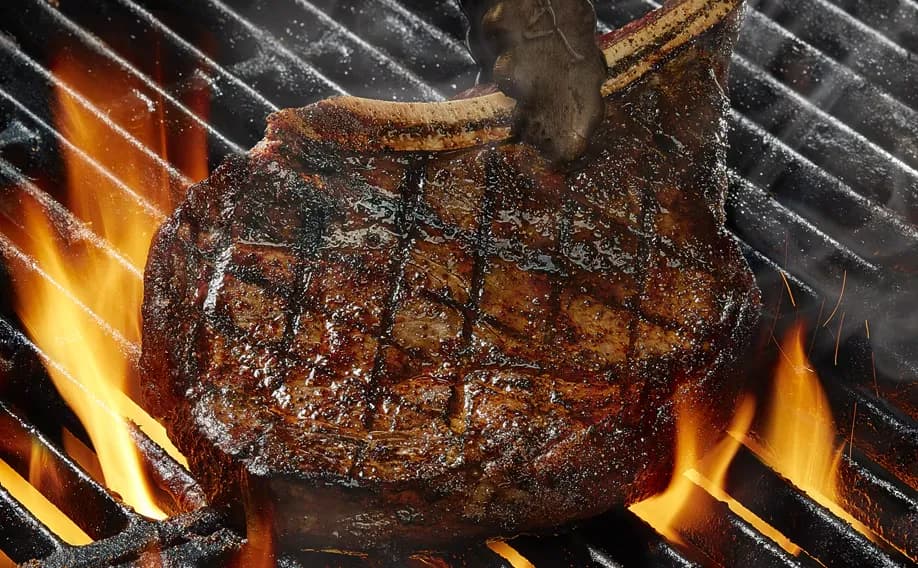
When you ask steak enthusiasts what distinguishes LongHorn Steakhouse from competitors like Texas Roadhouse or Outback, the answer is almost always the same: the signature char crust. Whether you order the tender, fork-cut Flo's Filet® or the gargantuan 20 oz bone-in Outlaw Ribeye®, LongHorn steaks boast an unmistakable mahogany exterior seasoned with deep, savory, smoky notes that leave restaurant diners wondering how to replicate it at home.
The secret is not an expensive commercial salamander or a top-secret meat tenderizer. It comes down to three culinary fundamentals executed with surgical precision: The 7-Spice Prairie Dust Rub, extreme surface dryness, and high-heat pan basting.
🥩 Master Cooking Specs
1. The Authentic "Prairie Dust" Seasoning Blend
Known behind the kitchen line as Prairie Dust (or LongHorn Char Seasoning), this dry rub balances sharp mineral salt with butcher's-mesh black pepper and earthy spices. Mix this batch in advance and store in a sealed spice jar:
| Spice / Ingredient | Exact Ratio | Culinary Function |
|---|---|---|
| Coarse Kosher Salt | 2 tablespoons | Extracts surface moisture and seasons deep into beef muscle fibers. |
| Butcher's Coarse Black Pepper | 1 tablespoon (16-mesh) | Coarse grind provides textural bite without scorching into bitterness. |
| Smoked Spanish Paprika | 1 tablespoon | Delivers deep mahogany color and gentle wood-smoke aroma. |
| Granulated Garlic | 1 teaspoon | Dissolves evenly on the hot meat surface without burning. |
| Granulated Onion | 1 teaspoon | Subtle savory allium sweetness. |
| Ground Cumin | ½ teaspoon | The western secret: provides an earthy, warm steakhouse undertone. |
| Dark Brown Sugar | ½ teaspoon | Melts under 500°F heat to trigger rapid Maillard caramelization. |
| Ancho Chili or Cayenne | ¼ teaspoon | Back-of-throat warmth without making the steak spicy. |
2. The 3 Golden Rules of Steak Preparation
Rule 1: The 45-Minute Room Temperature Temper
Never take a thick steak straight from the 38°F refrigerator and throw it onto a 500°F pan. Cold beef immediately drops the surface temperature of the iron, causing the meat to steam in its own liquid. Let your steaks sit on a wooden cutting board for 45 minutes before cooking so the internal temperature rises to roughly 65°F.
Rule 2: Surgical Moisture Extraction
Water turns to steam at 212°F, but the chemical Maillard reaction that creates a crisp brown crust requires temperatures above 300°F. If the steak's surface is wet, the meat cannot exceed 212°F until all water evaporates. Press several layers of paper towels firmly on top, bottom, and all edges until the meat is bone-dry.
Rule 3: Use High-Smoke-Point Oil
Rub only ½ teaspoon of avocado oil, beef tallow, or refined canola oil over the meat. Do not use extra virgin olive oil or butter to sear; both have low smoke points and will burn into bitter acrid smoke before your beef crust forms.
3. Cast-Iron Execution & Butter Basting (Arrosé)
- Preheat the Iron: Set a heavy 10- or 12-inch cast-iron skillet over high heat for 5 full minutes until you see faint wisps of white smoke rising from the surface.
- The Initial Sear: Lay the seasoned steaks gently into the dry skillet away from your body to prevent oil splatters. Do not touch, slide, or flip the meat for 3 full minutes.
- The Flip: Use sturdy metal tongs to flip the steak. You will see a deep, textured mahogany crust across the surface. Sear the second side for 2 minutes.
- Garlic-Herb Butter Basting: Reduce heat to medium. Drop 4 tablespoons of unsalted butter, 2 crushed cloves of fresh garlic, 3 sprigs of fresh thyme, and 1 sprig of rosemary into the pan. Tilt the skillet slightly and use a large spoon to rapidly ladle the foaming, melted butter continuously over the top of the steaks for 2 to 3 minutes.
4. Temperature Doneness Chart (Digital Thermometer)
Always insert an instant-read digital probe horizontally through the side of the steak into the dead center of the thickest portion:
| Desired Doneness | Pull From Pan At: | Final Rested Temp: | Interior Color & Texture |
|---|---|---|---|
| Rare | 120°F (49°C) | 125°F | Cool bright red center, extremely soft |
| Medium-Rare (Recommended) | 128°F – 130°F (54°C) | 135°F | Warm deep red/pink, optimal juice retention |
| Medium | 138°F – 140°F (60°C) | 145°F | Warm pink center, slightly firmer bite |
| Medium-Well | 148°F (64°C) | 155°F | Slight hint of pink in center, firm |
5. The Final 8-Minute Rest
Under intense heat, muscle fibers contract and push liquid toward the cooler center of the steak. If you cut into the meat immediately, all that liquid will flood out onto your cutting board, leaving the steak dry. Transfer your cooked steaks to a warm plate or wooden carving board and let rest undisturbed for 6 to 8 minutes. The muscle fibers relax, reabsorbing the flavorful juices evenly throughout every bite.
Frequently Asked Questions
About the Author: Chef Marcus Vance & LongHorn Culinary Analysts
Chef Marcus Vance & LongHorn Culinary Analysts is a dedicated restaurant analyst specializing in casual dining and American steakhouse operations. All menu prices, nutrition data, and culinary notes are rigorously audited against point-of-sale receipts and official disclosures. Read our 4-Stage Editorial Methodology.
Leave a Reply
Your email address will not be published. Required fields are marked *
Related Articles