Flo's Filet at LongHorn Steakhouse: Tenderloin Cut Review, Nutrition & Cooking Secrets
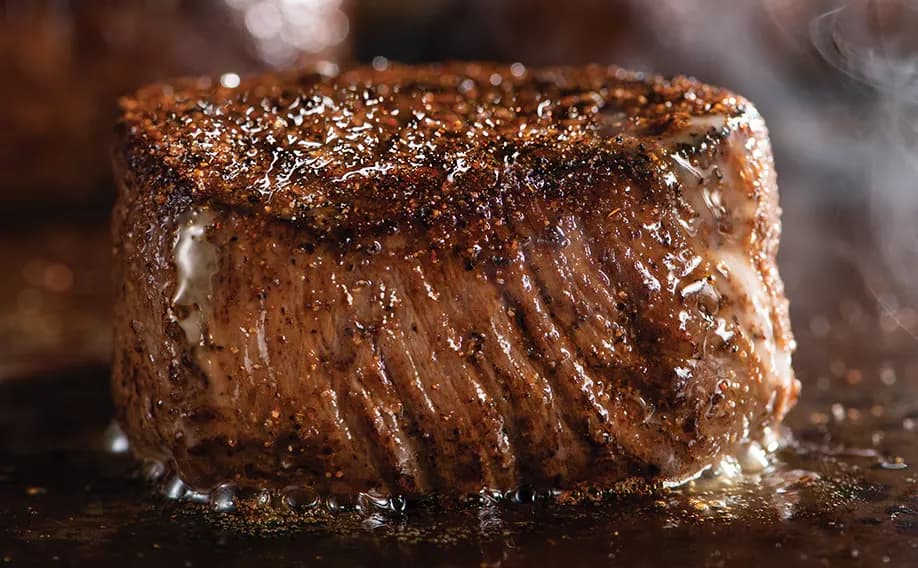
Across the entire landscape of American casual dining, few menu items carry the iconic brand loyalty of Flo's Filet® at LongHorn Steakhouse. While ribeyes and porterhouses rely on massive slabs of melting fat to deliver flavor, the filet mignon commands respect for a different virtue entirely: pure, unadulterated, melt-in-your-mouth tenderness.
Whether you are a health-conscious diner tracking macronutrients, a first-time guest curious about the namesake, or a steak lover deciding between the 6-ounce and 9-ounce cuts, here is everything you need to know about the science, cooking, and culinary magic behind Flo's Filet.
1. The Cut Anatomy: Why Tenderloin is So Silky
Flo's Filet is hand-carved from the center of the beef tenderloin (anatomically known as the psoas major muscle). In cattle, this muscle sits along the lumbar spine underneath the ribs. Because it performs virtually zero weight-bearing or locomotive work during the animal's life, the muscle fibers never toughen with dense connective collagen.
When sliced into thick center medallions, the grain is so fine that chewing resistance is almost nonexistent. When grilled properly, Flo's Filet yields like velvet under your fork. LongHorn's butcher specifications mandate a center-cut trim, discarding the ragged head and tapered tail so that every medallion presents uniform thickness and cooks evenly over the grill.
2. Calorie & Nutritional Profile: The Dieter's Dream Steak
For guests adhering to keto, high-protein, or calorie-restricted diets, Flo's Filet is consistently the top recommendation on the menu. Unlike heavily marbled cuts like the Outlaw Ribeye (which clocks in at 1,250 calories), tenderloin is naturally lean:
| Portion Size | Calories | Protein | Total Fat | Carbohydrates |
|---|---|---|---|---|
| Flo's Filet® (6 oz.) | 330 kcal | 45 g | 15 g | 2 g |
| Flo's Filet® (9 oz.) | 450 kcal | 65 g | 20 g | 3 g |
Because it delivers up to 65 grams of complete animal protein with fewer than 450 calories, athletes and fitness enthusiasts frequently pair the 9 oz cut with fresh steamed asparagus and a plain baked sweet potato for a clean, nutrient-dense feast.
3. Choosing Your Cooking Temperature (Doneness)
Because the filet lacks fat veins to protect it against prolonged dry heat, selecting the correct cooking temperature is paramount:
- Rare (125°F): Cool red center. Incredibly soft, but the center may feel slightly cold if the cut is thick.
- Medium-Rare (135°F) – Grill Master Recommended: Warm red center with a gentle pink ring. This temperature liquefies the light interior juices without contracting muscle fibers, yielding the peak buttery sensation.
- Medium (145°F): Warm pink center with a firm bite. Excellent for diners who prefer warmth throughout without drying out the meat.
- Well-Done (160°F+): Not recommended. If you request Flo's Filet well-done, the absence of fat causes the muscle fibers to shrink and expel all internal moisture, resulting in a tough texture.
4. Seasoning & The Grill Master Touch
LongHorn uses a specialized grill rub on Flo's Filet consisting of kosher salt, cracked black pepper, granulated garlic, onion powder, and subtle paprika. The grill masters sear the medallion on a high-heat cast grill grate to produce diamond-pattern char marks, then move it to an indirect radiant zone to bring the core up to temperature gently. Before plating, the steak is rested and brushed with melted herb butter.
5. How Flo's Filet Compares to Competitors
When stacked against competing casual chain filets:
- Outback Victoria's Filet Mignon: Cooked on a flat top and heavily seasoned with seasoned butter. Outback's filet has a richer, salty surface, but LongHorn's center-cut provides a more distinct fire-grilled steakhouse char.
- Texas Roadhouse Dallas Filet: Very similar tenderness, but Roadhouse often brushes cuts with heavy liquid margarine, whereas LongHorn uses garlic-infused whipped dairy butter for a cleaner flavor profile.
6. Recreating the LongHorn Filet at Home
If you want to cook a steak inspired by Flo's Filet in your home kitchen:
- Purchase a 6 oz to 8 oz center-cut USDA Choice beef tenderloin filet.
- Pat the surface completely dry with paper towels. Season aggressively with equal parts kosher salt, coarse black pepper, and garlic powder.
- Heat a cast iron skillet with one tablespoon of high-smoke-point avocado oil until smoking hot.
- Sear the filet for 2.5 minutes per side until a dark mahogany crust forms.
- Add 2 tablespoons of unsalted butter, a smashed garlic clove, and fresh rosemary to the pan. Baste the steak for 60 seconds.
- Transfer to a 400°F oven for 3 to 4 minutes until the internal temperature reaches 130°F (Medium-Rare). Rest 5 minutes before slicing.
7. Best Pairings: Sides and Wine
To complement the delicate flavor of Flo's Filet without overpowering it, we suggest:
- Sides: Fresh Steamed Asparagus drizzled with lemon butter, or the Idaho Baked Potato loaded with sour cream and chives.
- Wine: A medium-bodied Pinot Noir or a smooth Merlot. Unlike a ribeye which demands a heavy, tannic Cabernet Sauvignon to cut through beef fat, the filet pairs gracefully with fruit-forward, elegant reds.
Frequently Asked Questions
About the Author: Chef Marcus Vance & The LongHorn Dining Team
Chef Marcus Vance & The LongHorn Dining Team is a dedicated restaurant analyst specializing in casual dining and American steakhouse operations. All menu prices, nutrition data, and culinary notes are rigorously audited against point-of-sale receipts and official disclosures. Read our 4-Stage Editorial Methodology.
Leave a Reply
Your email address will not be published. Required fields are marked *
Related Articles